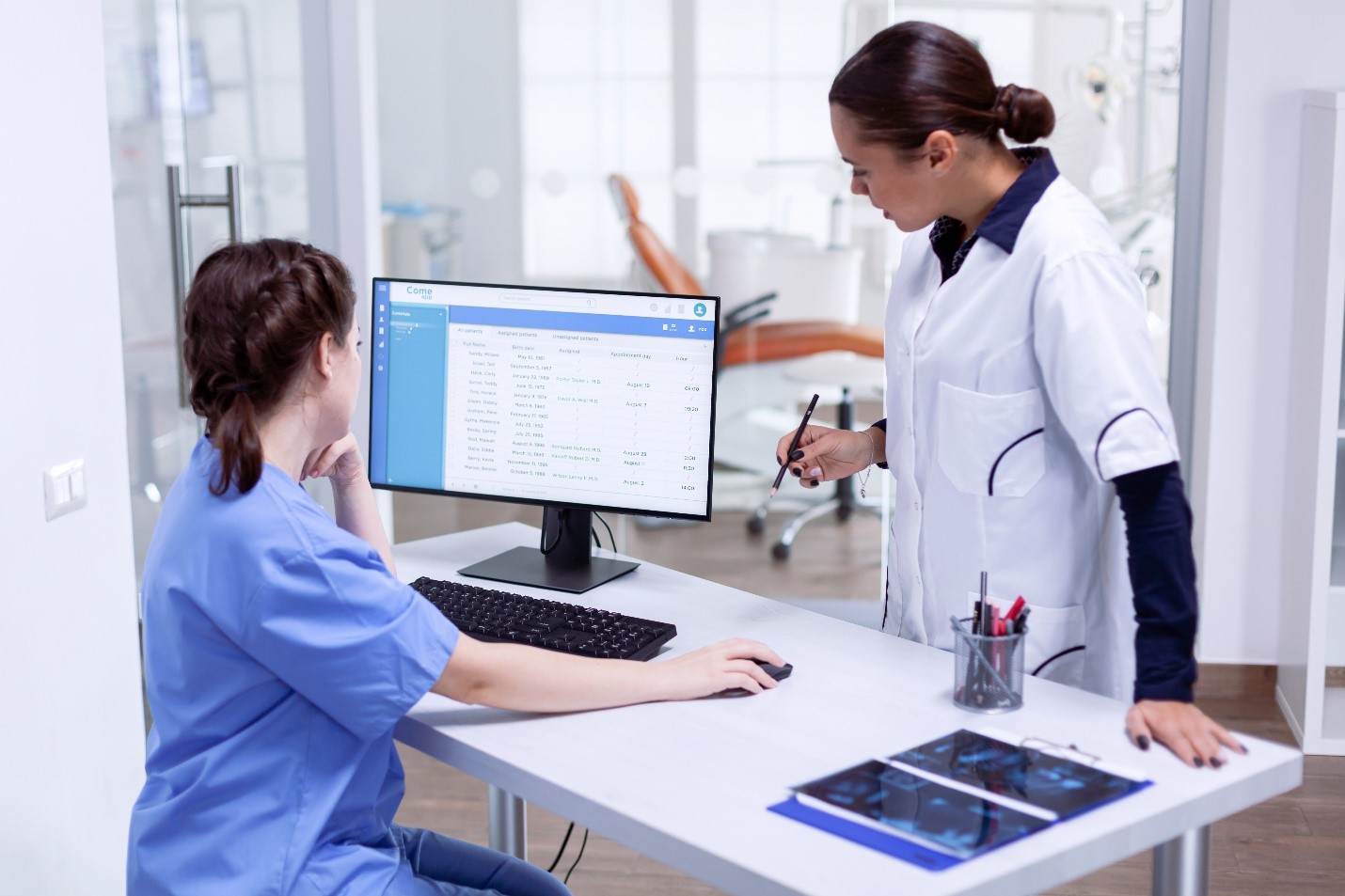
A busy morning can go sideways fast in a medical office. Patients start arriving. Phones ring. Staff members log in to pull up records for the day. Then something stops working. Maybe the scheduling system freezes. Maybe patient files won’t open. Sometimes it’s worse. A cyberattack locks down the entire network.
What began as an ordinary day turns into a scuffle. Modern healthcare revolves around technology. Almost all operations require stable systems, such as patient records and billing, telehealth and communication tools, and so on. That is why managed IT services for medical practices are becoming a critical part of healthcare operations, not just an optional service.
This blog examines why healthcare organizations require specialized IT support, enhanced security and strategic technology planning.
Healthcare Is Different from Other Industries
Many businesses can survive a short technology problem. A medical practice doesn’t have that luxury. Patient care is immediately affected when systems are sluggish or even go offline. Employees can be denied access to documentation. Promotions may be postponed. Significant data is more difficult to locate.
Medical workers have to deal with issues that need a more targeted approach:
- Protecting patient records and sensitive data
- Meeting healthcare compliance requirements
- Supporting secure access for staff and providers
- Managing connected medical devices and software
- Defending against ransomware and phishing attacks
A standard IT provider may know how to fix computers, but practices need a true managed IT services provider that understands clinical workflows. A medical team perceives the direct correlation between technology and patient care and other daily operations.
Why Cybercriminals Keep Targeting Medical Practices
A patient record contains far more than basic contact details. Names. Addresses. Insurance information. Medical history. Payment data. For cybercriminals, that information is valuable.
Smaller healthcare organizations are frequently considered to be good targets since attackers believe that the security resources are insufficient. Most of the time, it is just a single phishing email to cause a significant problem. One of the most susceptible sectors to data breaches and ransomware attacks is healthcare. Recovery can be expensive. The damage to patient trust can be even harder to repair. Trust takes years to build. One incident can shake it overnight.
Managed Cybersecurity Services Help Stay Ahead of Threats
Years ago, installing antivirus software felt like a solid security strategy. Cyber threats are more sophisticated, common and can be more difficult to identify. Hackers seek bad passwords, old systems and basic human error.
That is where managed cybersecurity services come in. Security professionals are not responding to an attack after it takes place but instead monitor systems 24/7. They observe abnormal activity, explore risks and act out before minor issues become significant inconveniences.
A strong cybersecurity program often includes:
- Threat monitoring and detection
- Multi-factor authentication
- Endpoint protection
- Employee security awareness training
- Backup and disaster recovery planning
Many medical practices discover that prevention costs far less than recovery.
Network Security Is the Backbone of Healthcare Technology

Every connected device creates another doorway into a network. Computers. Tablets. Printers. Cloud applications. Medical equipment. Everything communicates across the same environment. One weak point can create problems for the entire organization.
Reliable network security services help reduce those risks by creating multiple layers of protection. Secure access controls, network monitoring, protected wireless connections and system segmentation all play a role.
A surprising number of businesses assume their network is secure simply because everything appears to be working.
Unfortunately, functioning systems are not always secure systems. Strong network protection helps keep sensitive information private while allowing healthcare teams to work without interruption.
Downtime Can Affect Patient Care
Technology issues are not just technical issues. They become operational issues. Sometimes they become patient care issues.
An hour of downtime of a scheduling platform can look like a minor issue. That hour may cause delays in a busy medical office that may have an impact on the rest of the day.
Medical staff need fast access to information. Patients expect efficient service. Neither works well when technology becomes unreliable.
Advanced IT support concentrates on stopping disturbances even before they occur. Constant monitoring, planning of regular maintenance and recovery, all contribute to minimizing the possibilities of expensive downtime. Training might not appear to be fun.
It becomes very exciting when something goes wrong and systems keep running anyway.
Strategic IT Consulting Supports Growth

Technology decisions have long-term effects. A new software platform, cloud migration project, or security upgrade may seem straightforward at first. Months later, hidden challenges can appear if planning was rushed.
Professional IT consulting in Maryland helps healthcare organizations make smarter decisions before problems develop.
Experienced consultants often help practices with:
- Infrastructure planning and modernization
- Cybersecurity evaluations
- Cloud migration strategies
- Compliance readiness planning
- Business continuity preparation
Good technology planning creates fewer surprises, especially when paired with custom software development tailored to a practice’s specific EHR and workflow needs. Most business owners appreciate that.
Choosing the Right IT Partner
Not every IT provider understands healthcare. The ideal partners will be those that will offer technical skills, security know-how, proactive support and clear understanding of healthcare settings. They are oriented toward the prevention of problems, rather than fixing them once they occur. Healthcare organizations are advised to seek providers with scalable solutions, receptive support and continuous security advice. Technology must contribute to the expansion of a practice with a sense of security. It must not always be a source of stress.
Conclusion
Healthcare organizations face growing pressure to protect patient data, maintain compliance and keep critical systems running without interruption. Basic IT support is no longer enough. Modern healthcare environments require specialized expertise, proactive security and long-term planning.
Investing in managed IT services for medical practices, managed cybersecurity services and dependable network security services helps reduce risk, improve reliability and support better patient experiences. For healthcare providers looking for trusted guidance and strategic technology support, New Vertical Technologies delivers solutions built for the challenges of today’s healthcare environment.
FAQs
1. What are managed IT services for medical practices?
Managed IT services provide ongoing technology support, monitoring, maintenance, and strategic guidance designed specifically for healthcare organizations.
2. Why do medical practices need managed cybersecurity services?
Managed cybersecurity services help protect patient data, prevent cyberattacks, and reduce security risks through continuous monitoring and protection.
3. What do network security services include?
Network security services often include access controls, network monitoring, wireless security, threat detection, and system protection measures.
4. Why is healthcare a common target for cyberattacks?
Healthcare organizations store valuable patient information that cybercriminals can use for fraud, identity theft, and other criminal activities.